ANTENNA DELETE
QUICK FACTS
- Removes sharkfin or stick antennas
- Sleek, streamlined look
- Quick and easy install, cost-effective and reversible
- No welding, no filler, no hassle
- Optional: Wireless signal retention
- Precision CNC machined aluminium
- Anodized finish for easy painting
- Includes watertight gasket and all fastening materials
SUPPORTED VEHICLES
- Subaru BRZ / Toyota 86 / Scion FR-S ’12-’22 (Gen 1)
- Subaru BRZ / Toyota 86 ’22-present (Gen 2)
- MG 06 ’09-present
- Toyota MR-2 ’89-’99 (Gen 2)
- Toyota Yaris ’99-present
- Honda Accord Sedan EU ’01-’02 (Gen 6)
- Mini Clubman ’15-’25 (Gen 2)
The issue
Antennas on cars can, for the most part, be considered mobile receivers. Traditionally they’re used to receive AM/FM radio signals, a technology made obsolete by digital radio, USB or mobile data.
Some of these new technologies still require antennas of a different nature which may be included in the roof antenna.
We have found that antennas for digital radio or GPS are often located in places other than the roof-mounted sharkfin.
This further puts into question the need for an external sharkfin or stick antennas with sockets on most vehicles.
Additionally, they can be comsidered aesthetically undesireable and may provide local wildlife with something to chew on.
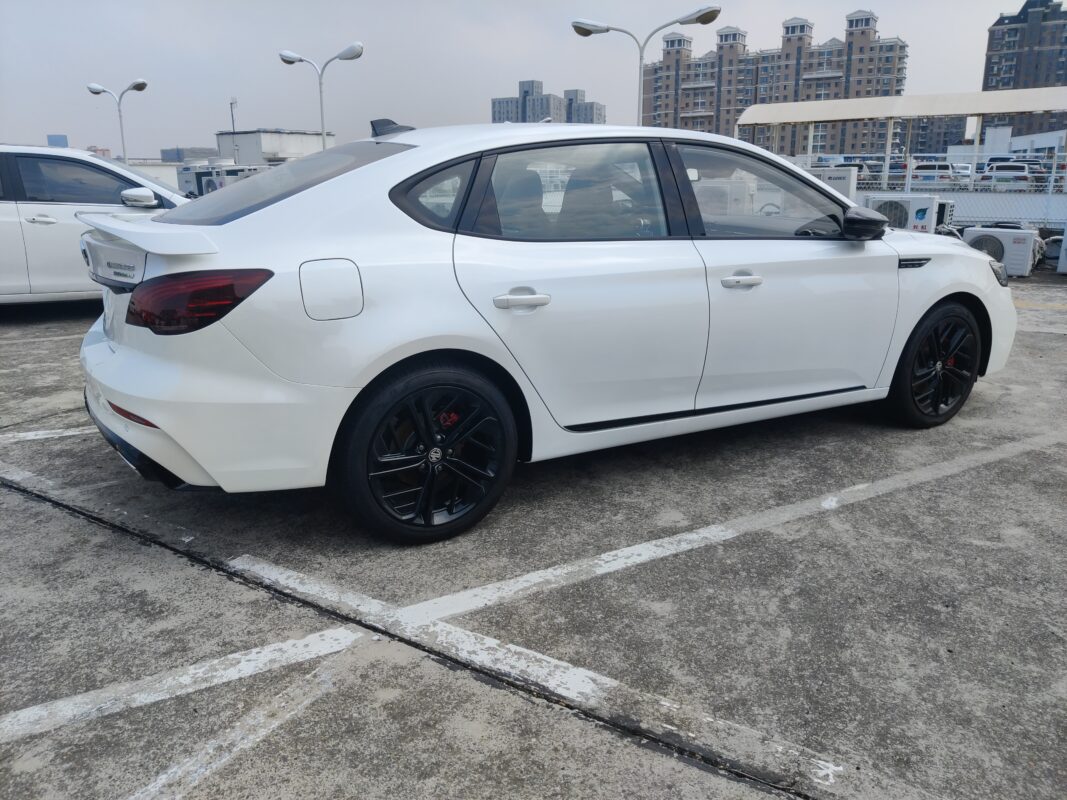
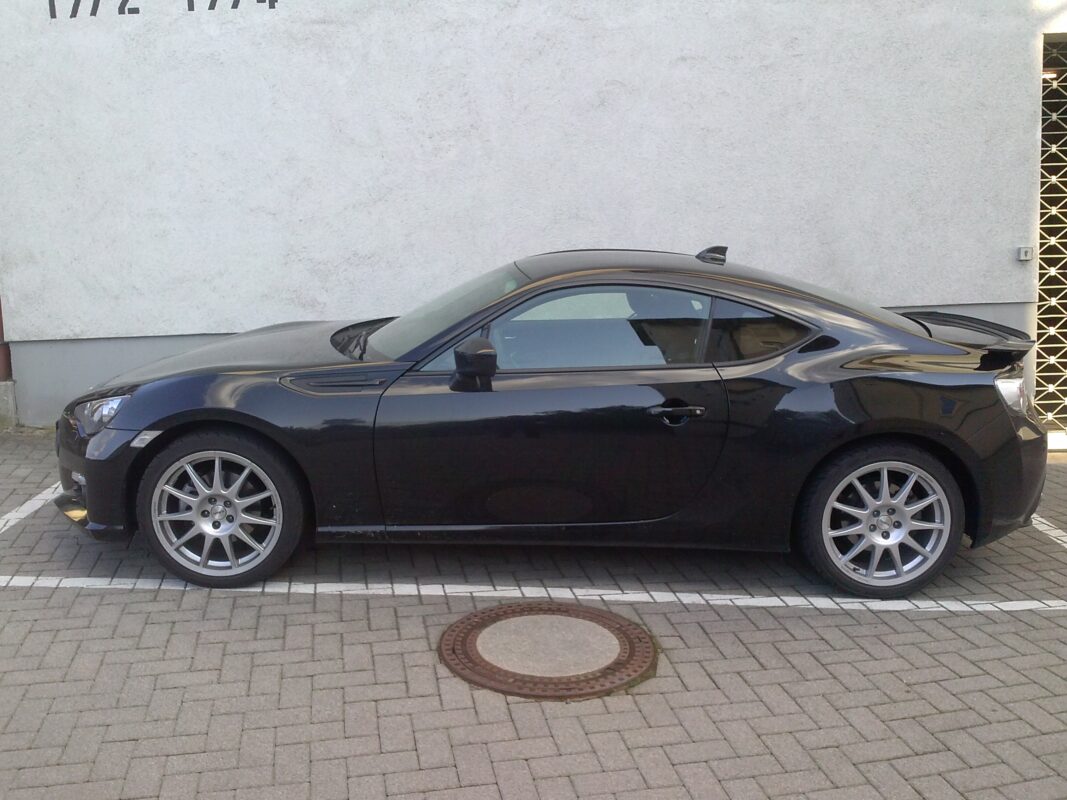
As a matter of fact, most antennas break design lines, pose a small cleaning obstacle and provide a negligible amount of extra air resistance while providing the car with dated technology for which alternatives exist.
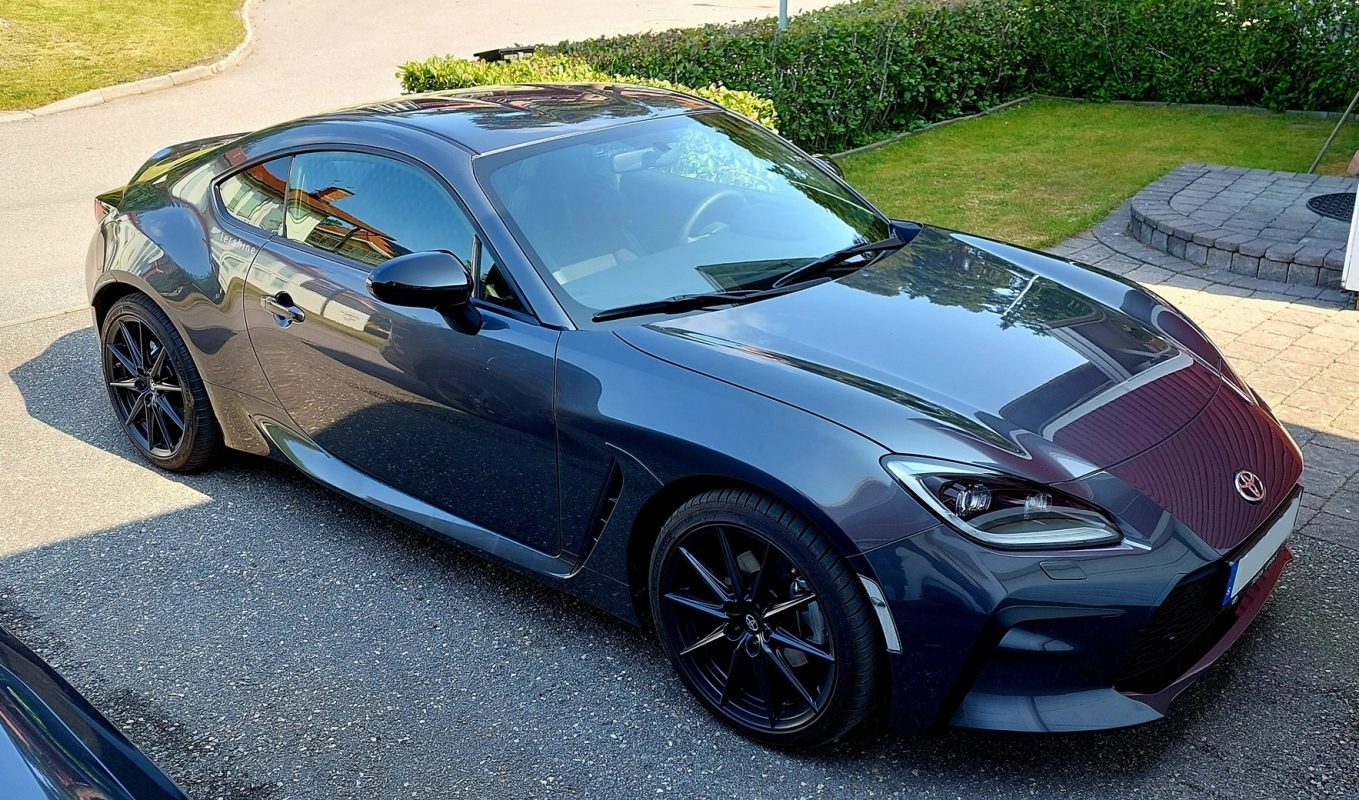
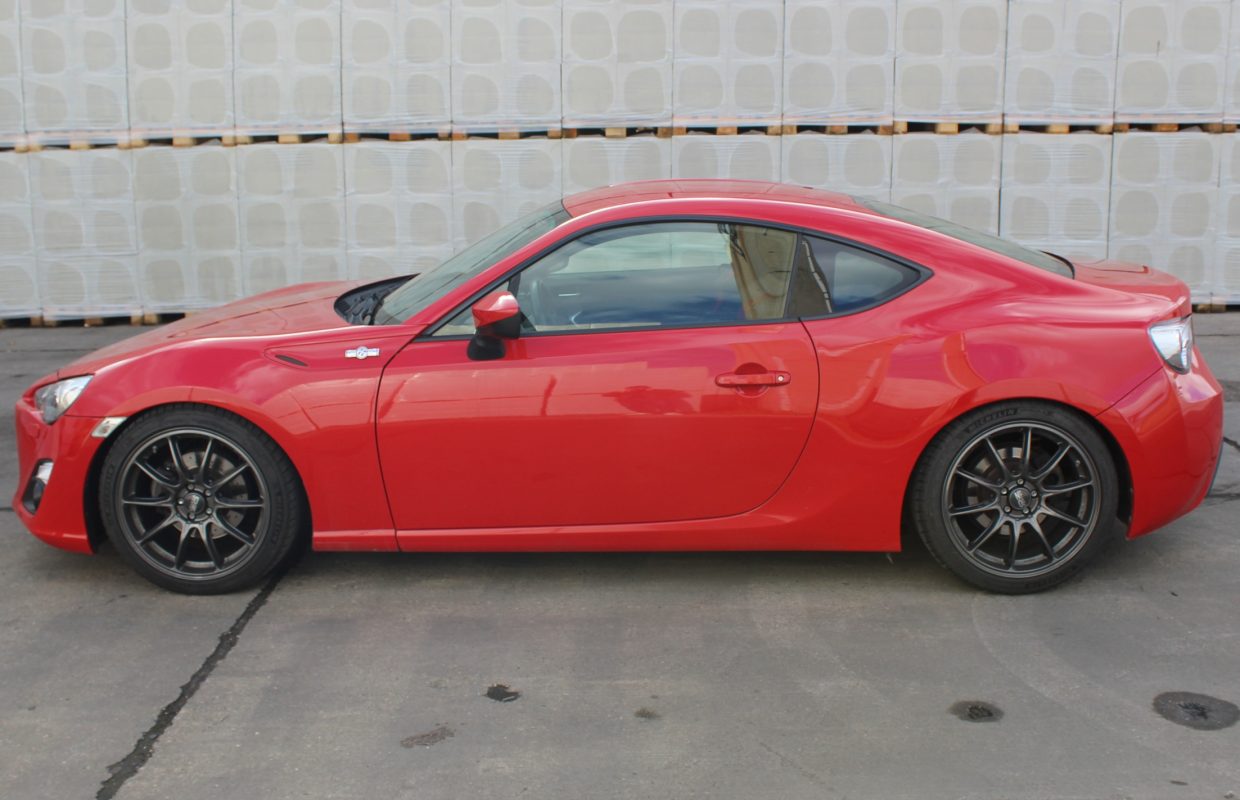
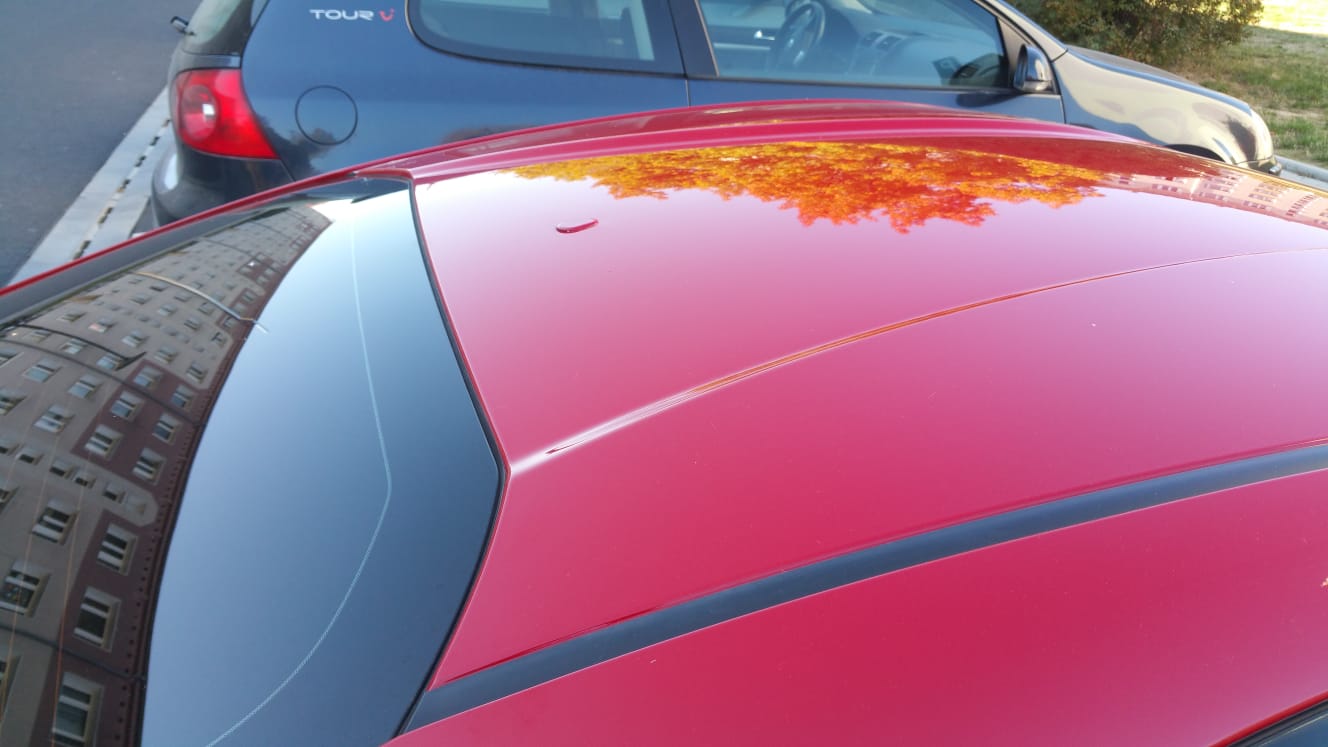
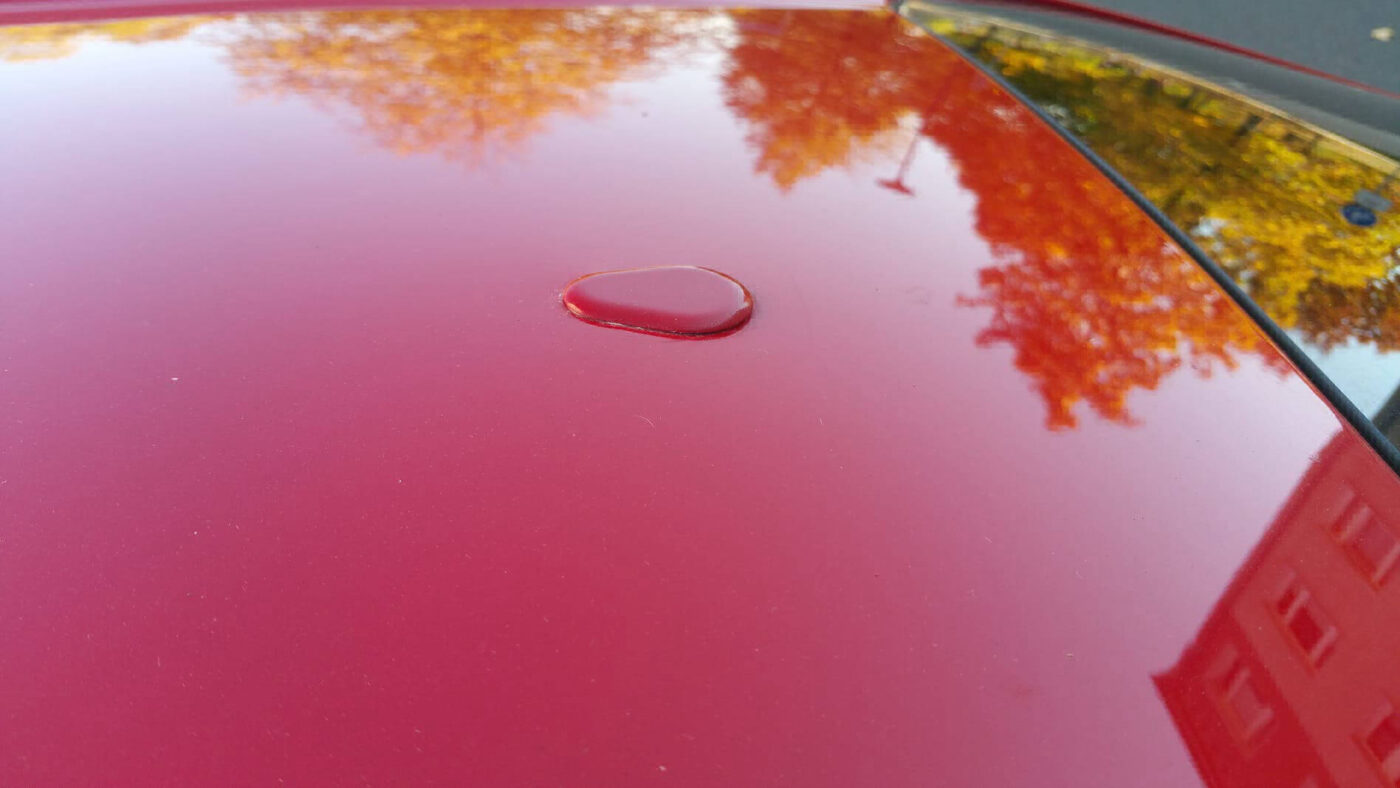
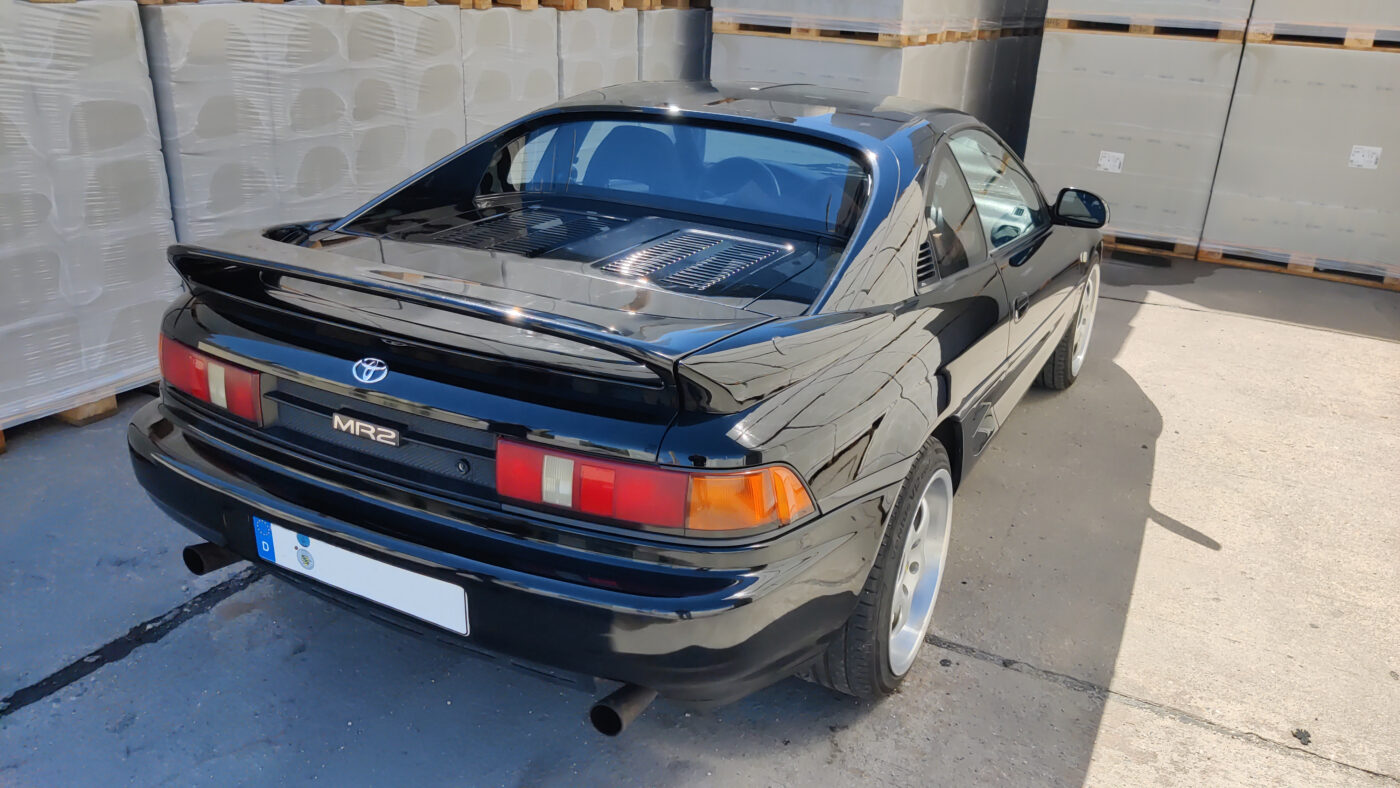
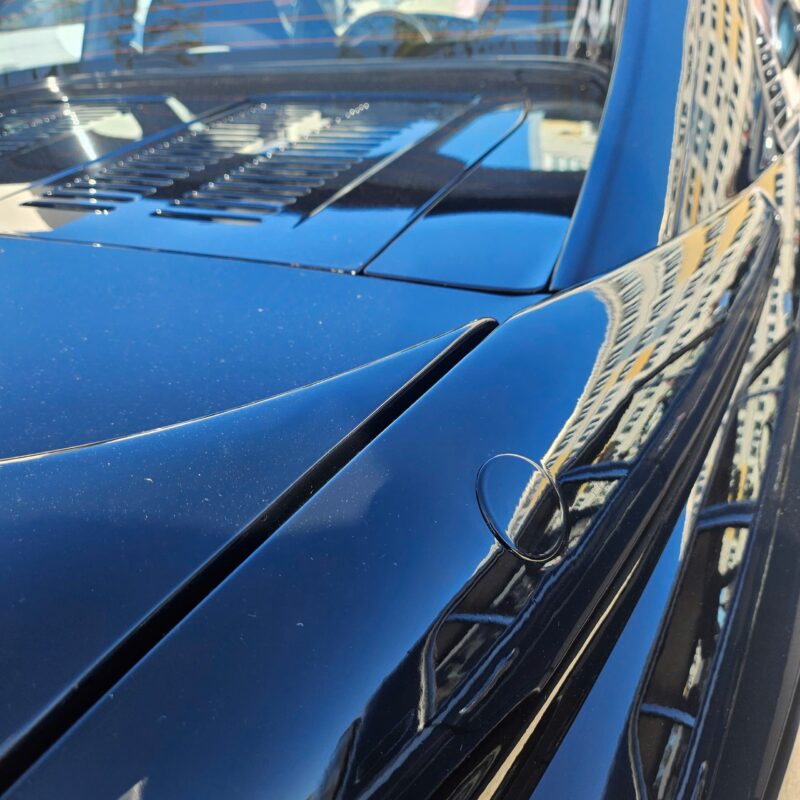
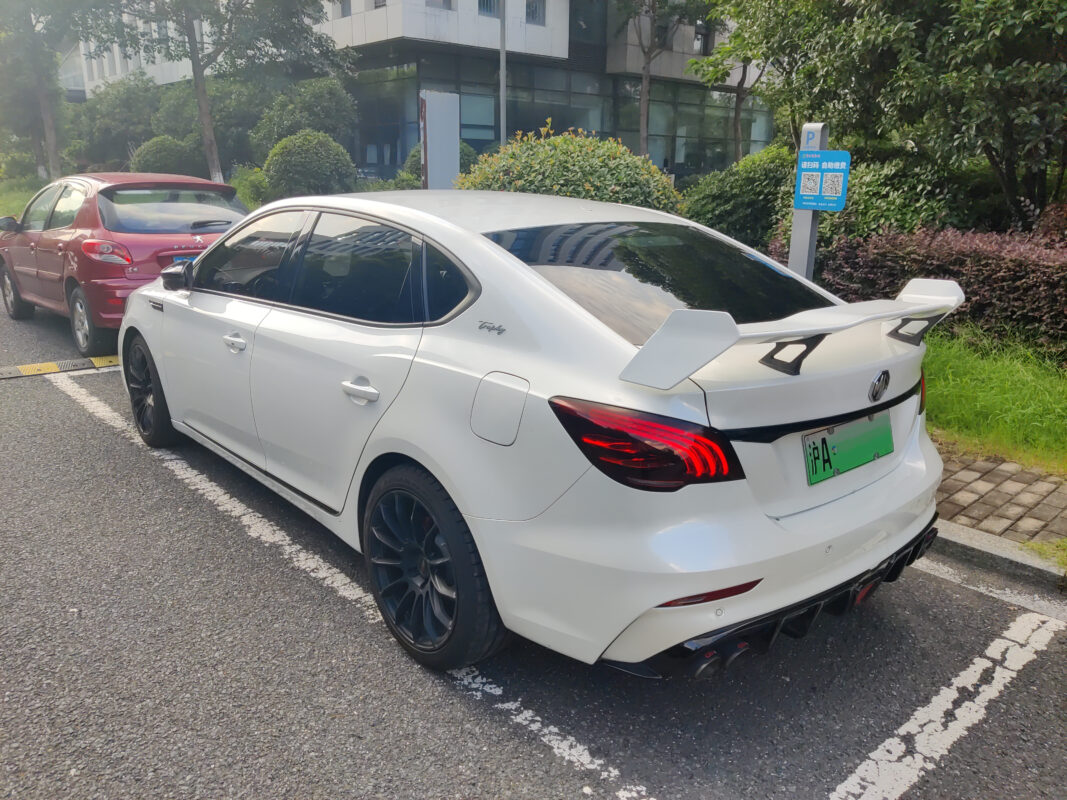
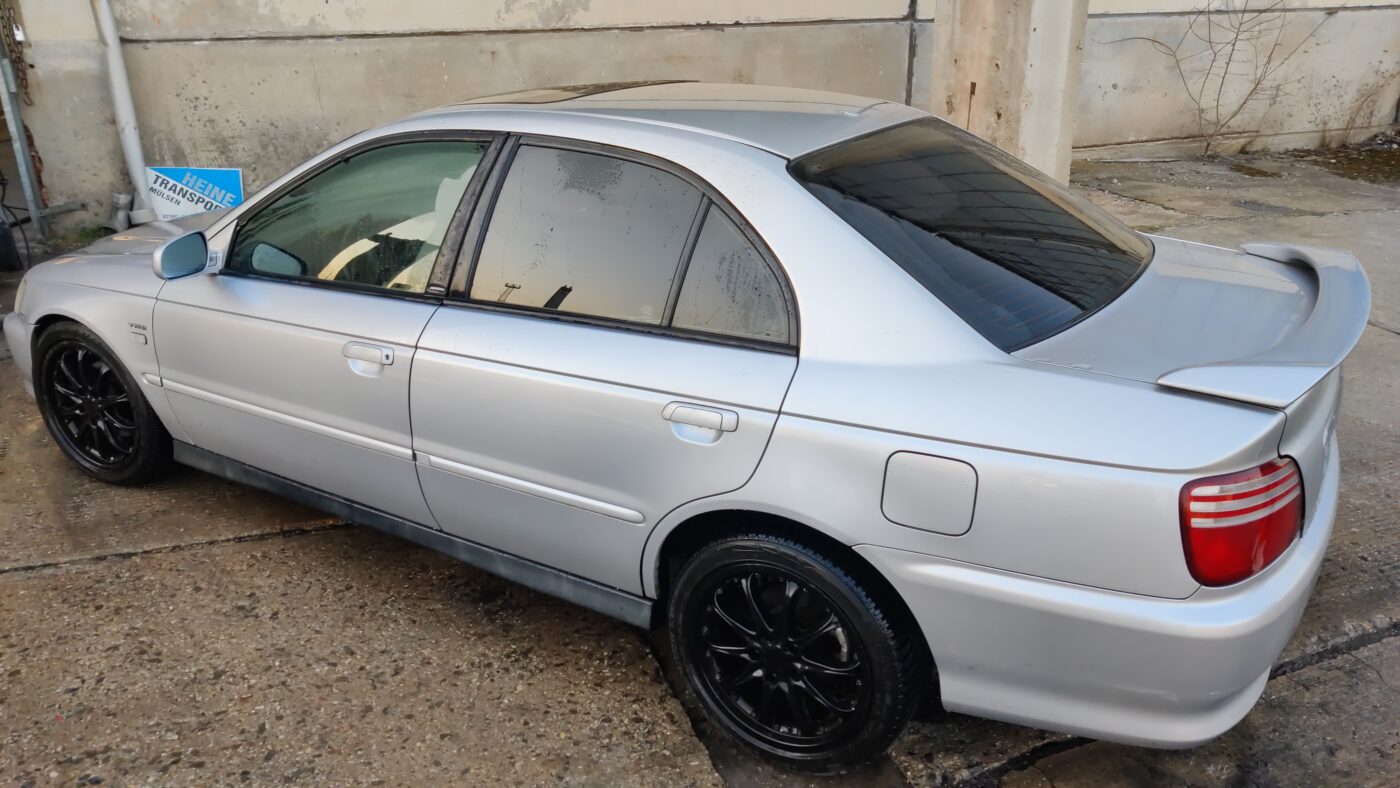
A few examples of how antenna sockets or sharkfins break visual lines.


The concept
We’ve frequently observed owners of stick-antenna equipped cars removing large parts of the assembly, only retaining the minimal socket required to prevent water ingress.
Thus we want to remove of the parts of the antenna sticking out from the body and improve overall car aesthetics.
The solution should be Plug & Play even for inexperienced users, require few tools, be noninvasive as well as reversible anytime.
Great focus was on long-term rigidity and waterproofing the hole left over by removing the antenna socket.
If desired, radio reception should be retained at reduced signal strenght while, in versions where the GPS antenna is located in the antenna socket, the GPS functionality must be retained.
The solution
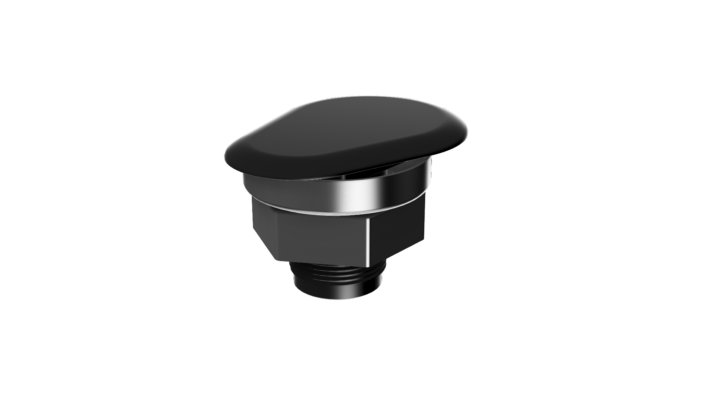
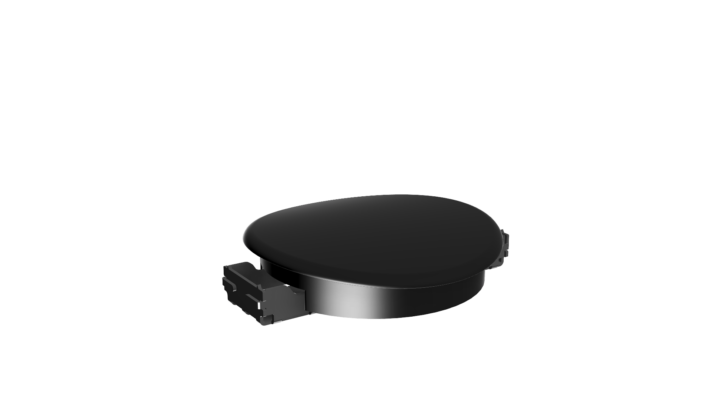
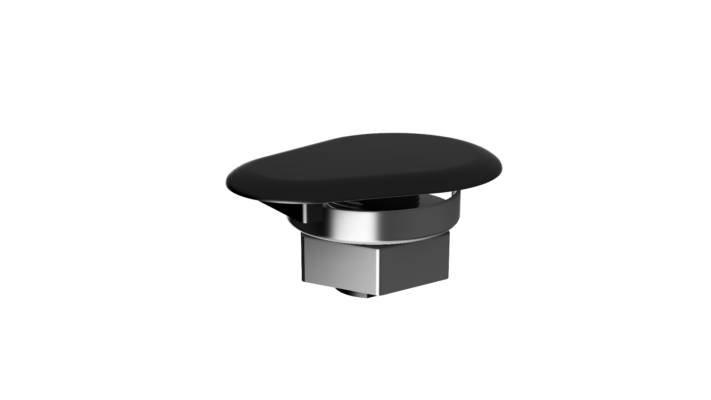
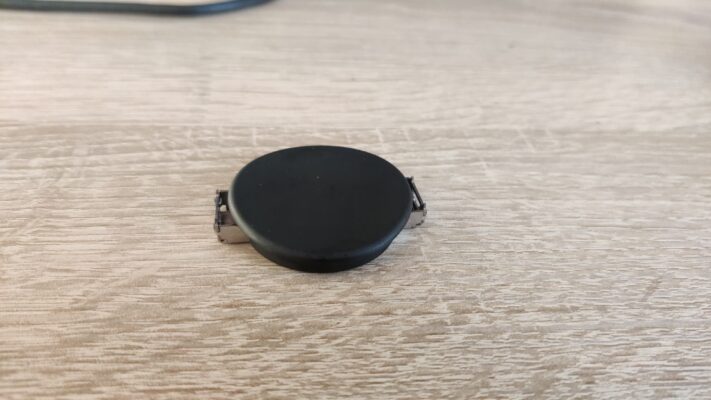
The Antenna Delete Cover.
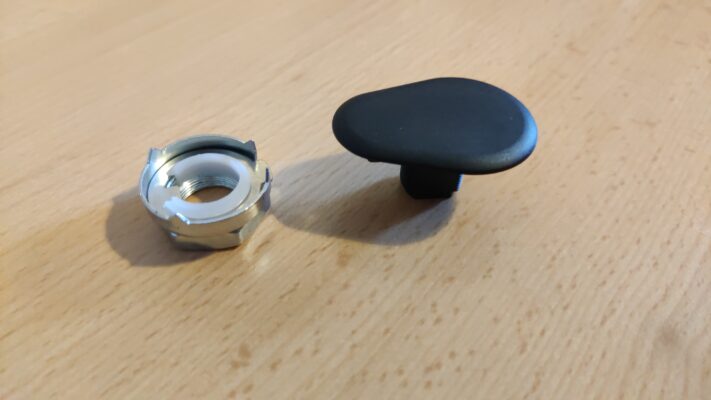
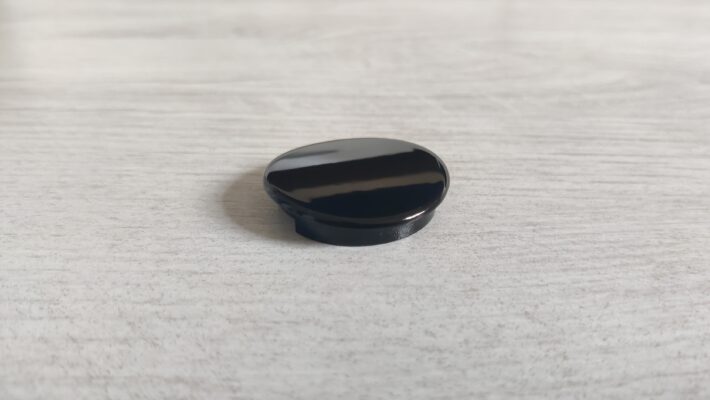
After a thorough process and long-term field testing, the result is a high-quality CNC machined, anodized aluminium cover with sleek, flowing lines.
It ostensibly delivers the lowest footprint and most cost-effective solution possible.
Using aluminium as a base material means a lower footprint compared to plastics as well as improved long-term resistance to changing temperature and weather conditions. The anodization layer prevents surface oxidization until the Antenna Delete Cover can be painted.
Painting itself is fairly simple even using a spray can; the small footprint of the Antenna Delete Cover means that even small hue deviations will hardly be noticeable.
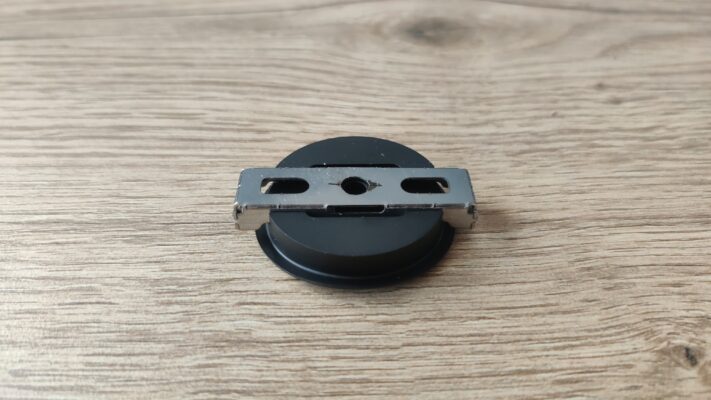
Overall dimensions are perfectly sufficient to give the gasket sufficient contact area with the car body to prevent water ingress even in rough weather.
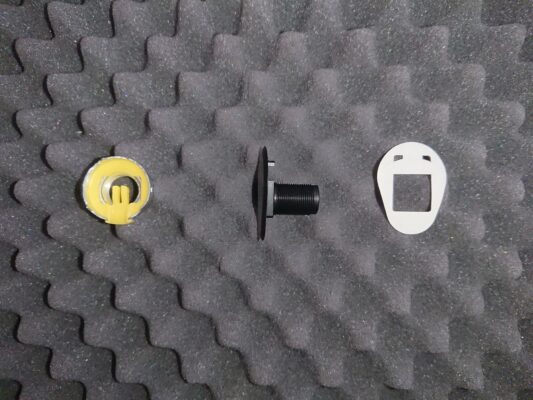
By relying on one of the standard threads for antenna sockets, it’s possibe to use widely-applied fastening methods. A small sleeve helps guide the fastening nut. The aluminium threads are more robust and thus more forgiving than most other materials, allowing proper tensioning ensuring reliable as well as repeated use if required.
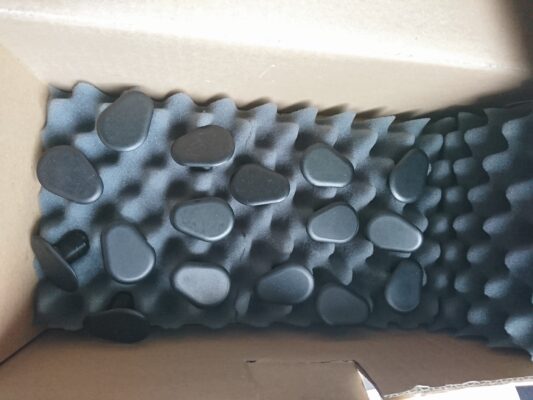
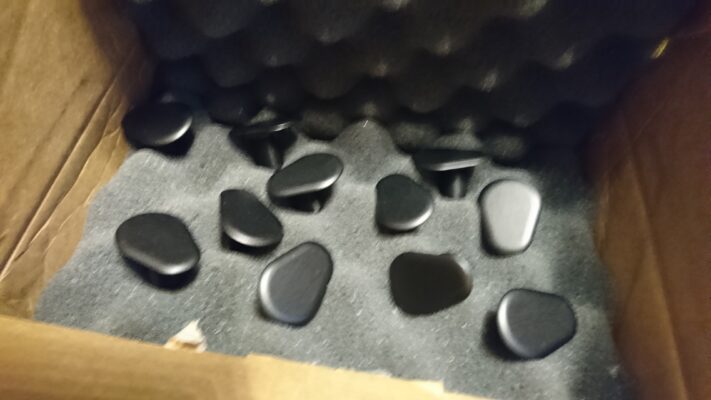
Even the packaging doesn’t go to waste!
Part of it can be used to cushion the connector remaining behind in the roof liner so there’s no rattle.
With the clear and helpful written and video guides available, installation can be done within minutes.
It’s even possible to relocate the old antenna to a hidden location behind the interior trim to retain a decent amount of the previous functionality.